
Visible wear and small leaks often tempt property owners to look for the fastest solution available. A tube of sealant or a hastily placed tarp can feel like a win in the moment, especially when time or budget feels tight. Yet many roofing professionals see temporary fixes create bigger problems that surface later, often when the stakes are higher and repairs are far more expensive.
Why Temporary Fixes Only Delay the Real Roof Repair
Temporary fixes are designed to slow water intrusion, not stop the underlying issue. They sit on top of the problem instead of addressing what caused it, such as damaged decking, compromised flashing, or aging materials beneath the surface. While the exterior may look sealed, the roof system continues to deteriorate quietly.
Delays compound the damage. Moisture trapped below a patch continues to weaken structural components, and by the time a full roof repair is pursued, the affected area is often larger. What could have been a targeted repair becomes a more involved project that costs more and takes longer to complete.
How Quick Patches Can Hide Bigger Problems Underground
A quick patch can act like a curtain, concealing warning signs that would otherwise be visible. Stains, soft spots, or slow drips may disappear temporarily, giving the impression that the issue is resolved. In reality, water often finds a new path underneath the patch and spreads laterally.
This hidden movement is what makes temporary solutions risky. By the time symptoms reappear, the damage may extend beyond the original leak location. Roof repair company inspections frequently uncover rot or mold far away from the initial patch, making diagnosis and repair more complex.
What Happens When Stopgaps Fail in a Downpour
Temporary fixes are rarely tested under extreme conditions. A sudden heavy rain exposes their limitations quickly. Sealants may wash out, tarps can shift, and unsecured materials often fail under sustained water pressure.
When a stopgap fails, water enters rapidly and unpredictably. Instead of a controlled leak, there may be widespread infiltration that affects ceilings, walls, and insulation. Huntsville roof repair crews often respond after storms to address failures that started as “just a small temporary fix.”
The Risk of Mold When Water Keeps Getting Inside
Repeated moisture intrusion creates the perfect environment for mold growth. Even small amounts of water that enter consistently can raise humidity levels within the structure. Mold often develops behind walls or above ceilings, long before it becomes visible.
Once mold takes hold, remediation adds another layer of cost and disruption. Roof repair near me searches often increase after health concerns arise, not just property damage. Addressing the source early helps prevent mold-related issues that go beyond the roof itself.
Why Improper Tarping Invites More Damage Not Less
Tarping is commonly used as an emergency measure, but improper installation can worsen conditions. Tarps that are not securely fastened flap in the wind, rubbing against roofing materials and loosening shingles or fasteners. Water can also pool beneath poorly placed tarps, adding weight and stress.
Additionally, tarps trap moisture. Without ventilation, condensation builds beneath the covering, soaking materials that might otherwise stay dry. Roofing near me professionals often remove tarps to find more damage underneath than what was visible before.
How Short-term Repairs Affect Insurance Claims Later
Insurance providers look closely at maintenance history. Temporary repairs without follow-up can raise questions about negligence or delayed action. If damage worsens over time, insurers may argue that the loss could have been prevented with timely permanent repair.
Documentation matters. A full roof repair performed promptly is easier to support during a claim than repeated patching. Roof repair company records that show proactive maintenance often carry more weight than evidence of ongoing temporary fixes.
Why Pros Prefer Permanent Solutions over Band-aids
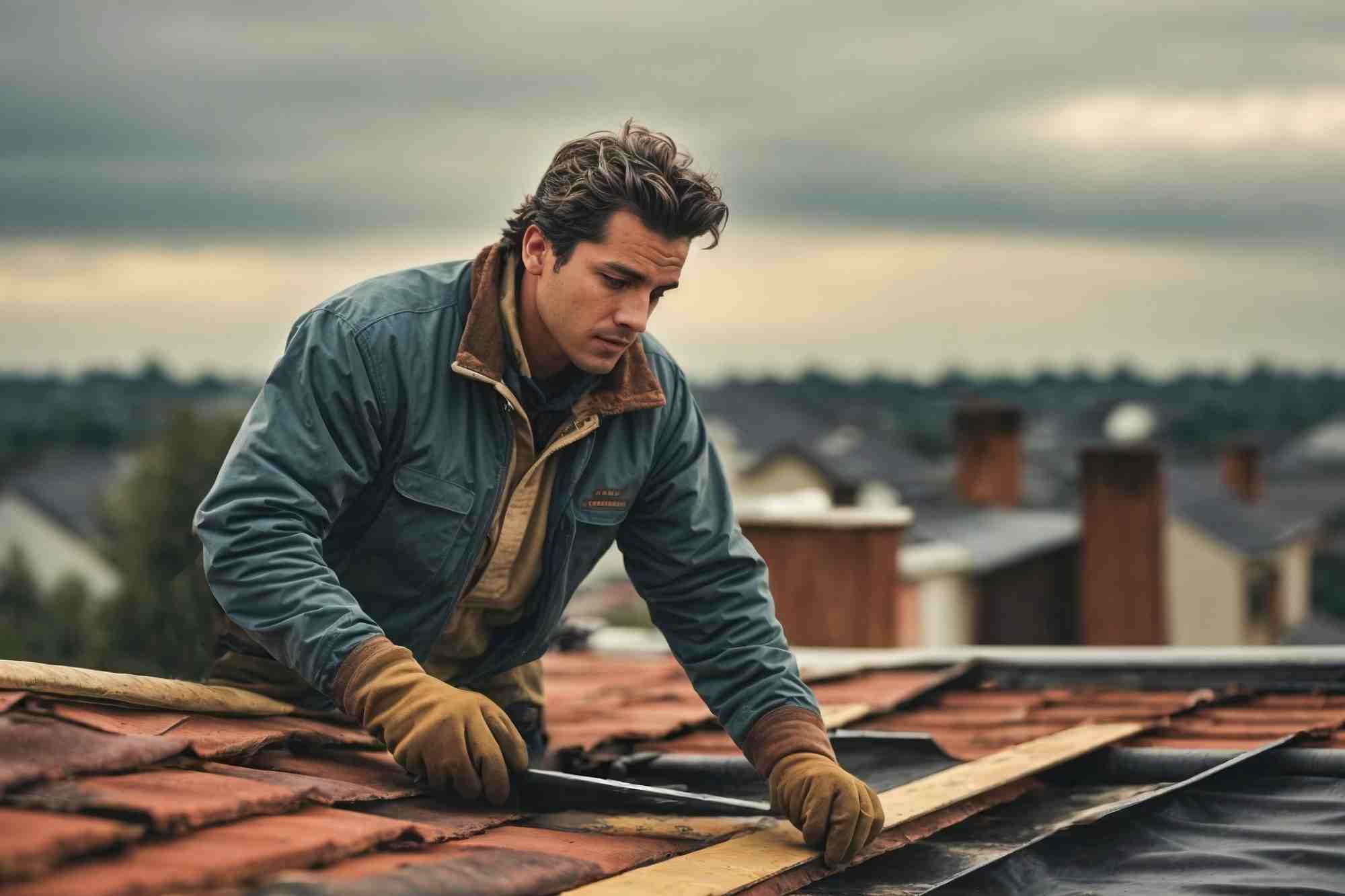
Professional roofers favor permanent solutions because they address both symptoms and causes. A proper repair involves inspecting surrounding materials, reinforcing weak areas, and restoring the roof’s integrity as a system. This approach reduces the chance of recurring issues.
Permanent repairs also provide predictability. Instead of wondering when the next leak will appear, property owners gain confidence that the problem has been resolved. Roof replacement or full repair may cost more upfront, but it delivers stability that patches cannot offer.
When a False Sense of Security Turns into Costly Repairs
Temporary fixes often create comfort without certainty. The absence of leaks can lead to delayed inspections and postponed decisions. Over time, that false sense of security allows damage to expand unnoticed.
Eventually, the repair scope grows. Structural components may need replacement, and interior finishes suffer. Huntsville roof repair specialists frequently see situations where early full repair would have prevented extensive restoration work later.
How Early Full Repair Saves You Time and Money in the Long Run
Addressing issues fully at the first sign of trouble limits damage to the smallest possible area. Repairs are more straightforward, timelines are shorter, and costs remain manageable. Early action also reduces disruption to daily life or business operations.
Long-term savings extend beyond repair bills. Fewer emergency calls, lower insurance complications, and reduced interior damage all contribute to overall value. Choosing full repair early helps avoid the cycle of repeated fixes that never truly solve the problem.
Taking the right approach at the right time makes a measurable difference in roof performance and property protection. Fleming Roofing helps property owners assess conditions accurately and move toward durable repair solutions rather than temporary patches. Their focus on thorough inspections and long-term results supports safer structures and fewer surprises down the road.
Please explore our site for more exciting content if you like this article.